Improving Recycling Habits Through Convenience

Project Type
Conceptual Project
Duration
2 Weeks
Team
Eric Lieu
Issey Webb
Robert Moyses
Role
Project Lead
UX/UI Designer
User Researcher
Methods
User Research
Competitive Analysis
Affinity Mapping
User Archetype
User flows
Wireframing
Prototyping
Usability Testing
Tools
Figma
Figjam
Pen and Paper
Overview
Planet Ark is an Australian non-profit environmental organisation that partners with organisations in the public and private sectors with the goal of reducing environmental impacts on the planet. They have campaigns such as ‘National Recycling Week’ that aims to promote and educate recycling to the greater community. Over a span of two weeks, I lead a conceptual project, simultaneously serving as a UX/UI designer to understand the barriers that hold people back from recycling more and create a potential solution to improve people’s recycling habits beyond just ‘National Recycling Week’.
The Challenge
Many people are more than willing to recycle but it hinges heavily on convenience. Due to a number of challenges such as varying council guidelines on recycling, difficulties finding public recycling bins, confusion on what can be recycled, and the additional effort it takes to find the relevant information, most people find it easier to just throw their recycling in the general waste. As a result, hampering efforts to promote sustainable recycling habits
Project Goals
Our goal was to create a tool to assist people in forming good recycling habits by tackling obstacles that prevents them from recycling as well as providing easily accessible information and resources, including council guidelines and disposal instructions. Aiming to ease the difficulties associated with recycling and promote environmental sustainability.
Or
Understanding People’s View on Recycling
We kicked off the user research by conducting user interviews with 8 participants in order to gather insights on people’s thoughts, behaviours and habits in regards to recycling as well as the hurdles that they may encounter. I also aimed to find out when, where and how participants look for recycling information and what their current level of knowledge and opinions of recycling are.
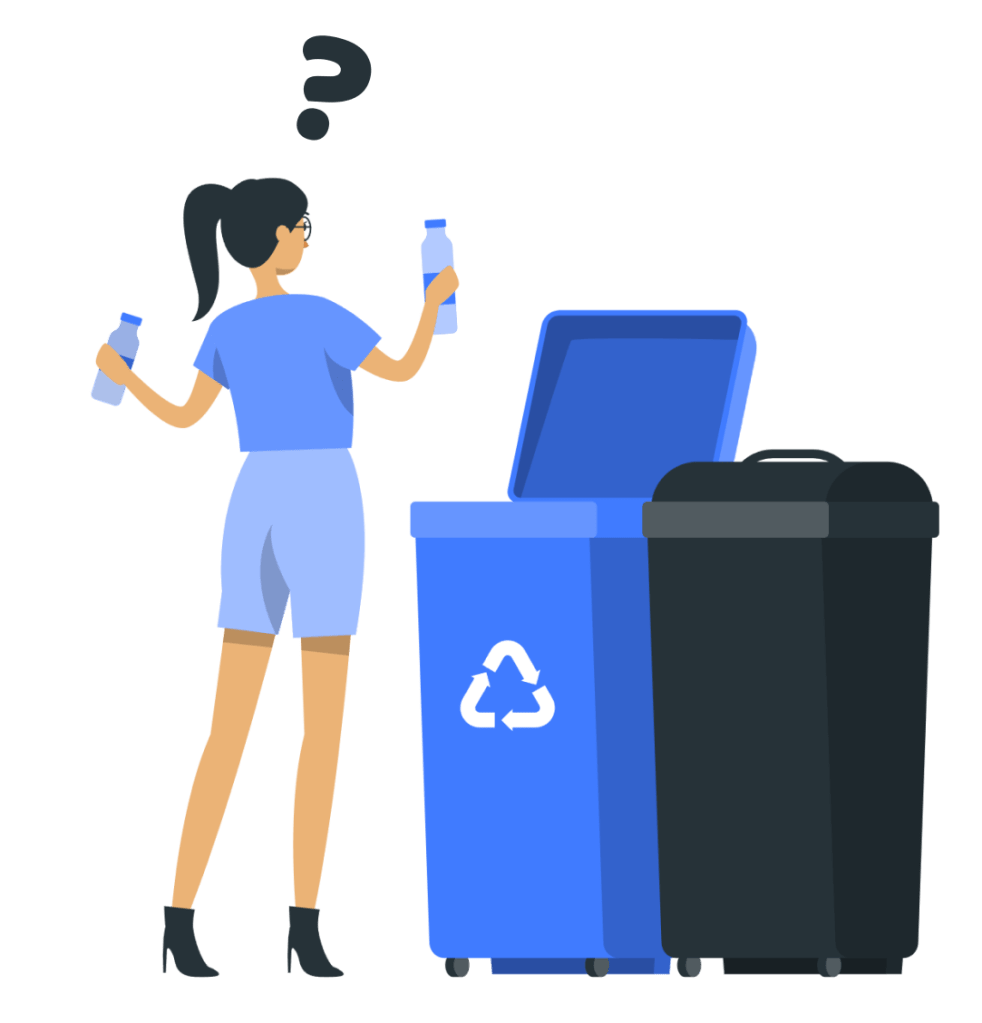
Why aren’t people recycling more?
Recycling habits vary across different environments
Many of the individuals do want to recycle and are conscious of their environmental impact. However, this habit is more consistent in their home environment than in public spaces due to having their own recycling bin at home.
Lack of public recycling bins
If they can’t find a recycling bin out in public, the participants would usually just throw their recyclables in the general waste rather than going out of their way to find a recycling bin.
Confusion over what’s recyclable
There’s a lack of clarity regarding what can or can’t be recycled as well as a lack of understanding about plastic recycling codes on packaging and their meaning.
Different council, different rules
Differing rules and guidelines on recyclables between different councils further complicates participant’s already confused perception of recycling.
Inspiration from Recycling Apps
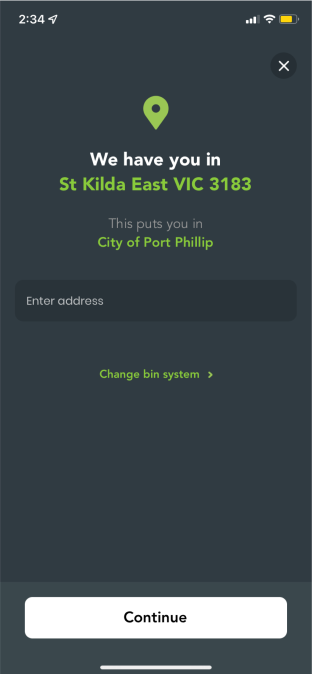
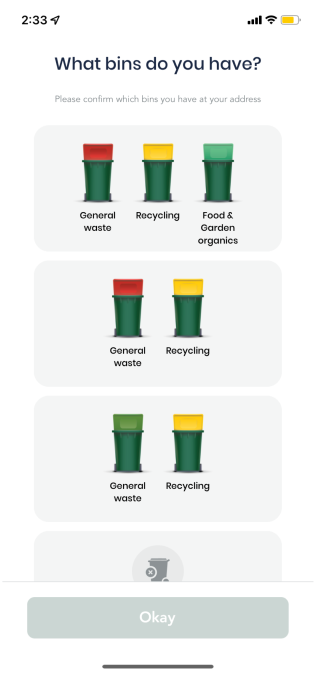
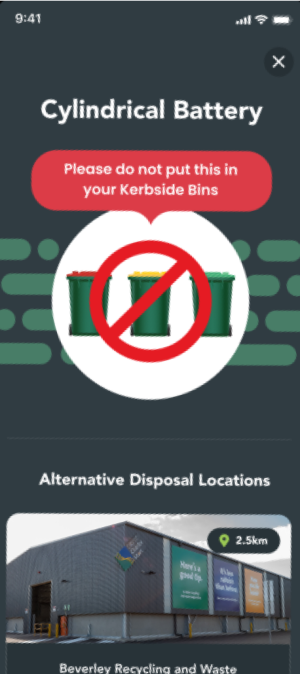
There were already a few recycling apps out in the market that focused specifically on recycling disposal. We conducted a competitive analysis to look at these existing apps to identify key features and areas where we could draw inspirations for our own design as well as areas that we could improve upon. Two of the main apps we looked at were Recycling Mate and Recycling Smart.
Recycling Mate
Recycling Mate had people set their location, which the app used to give disposal advice with information specific to that council area.
Recycling Smart
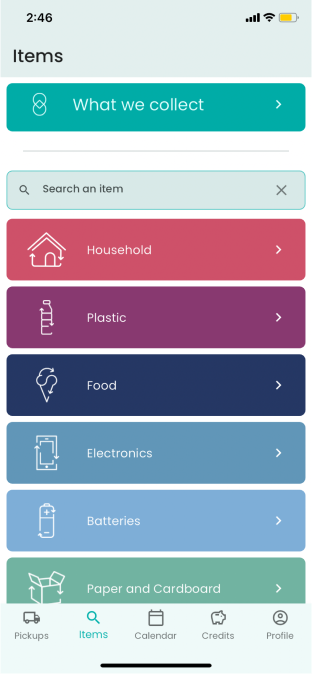
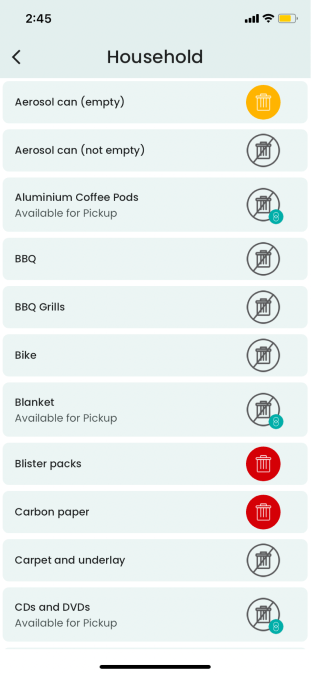
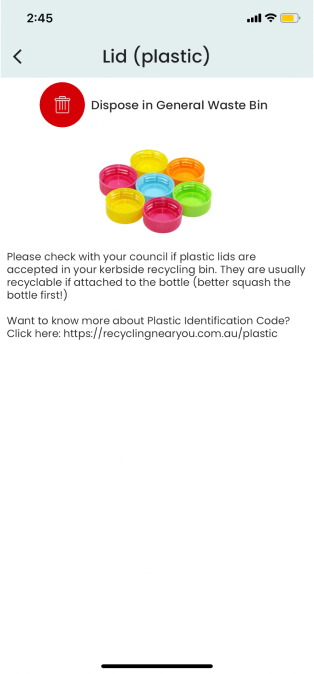
Recycling Smart utilised location-based information regarding recycling recyclable items, the information was well-organised and presented in a very user-friendly way. It also keeps track of council bin collection days depending on the location set by the user.
Leveraging Existing Platforms
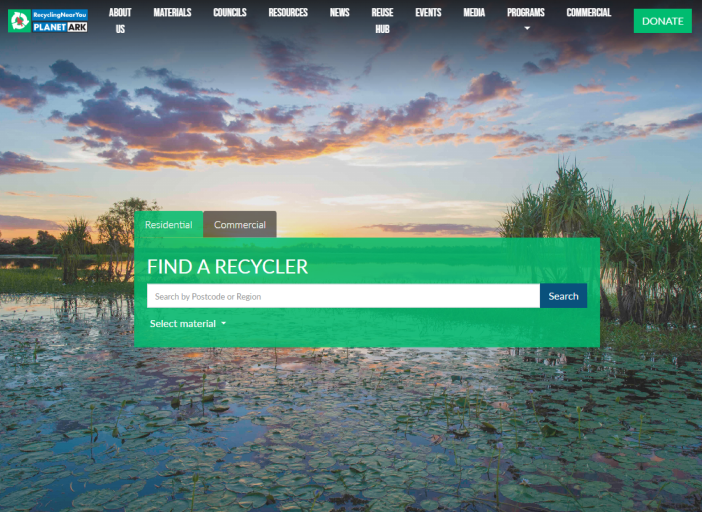
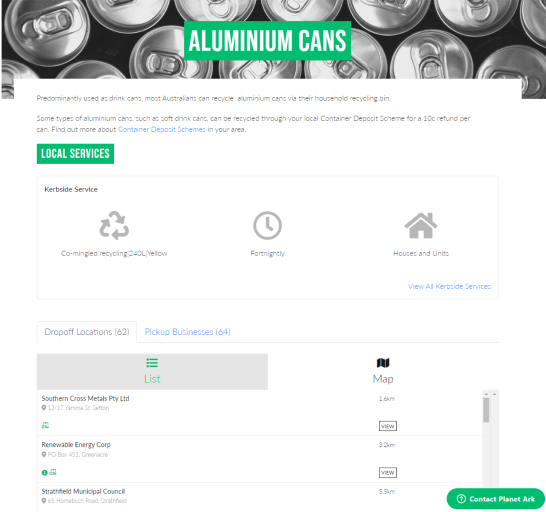
Through business research on Planet Ark, I discovered they had an existing platform known as Recycling Near You. I believed that leveraging and integrating this existing service into our design is a cost effective way to repurpose this tool into a more convenient form as it was the ideal feature to have that aligned with our vision for the design.
Recycling Near You
Recycling Near You offers a wealth of reuse and recycling information, spanning from commonly recycled items to those that require special handling. Moreover, it provides useful location-based information on businesses or facilities equipped to responsibly dispose of specific items.
Who are we designing for?
After gathering all the key insights from the research, we identified and developed the archetype of the casual eco-conscious person by drawing inspiration from the interview participants and their views towards recycling.
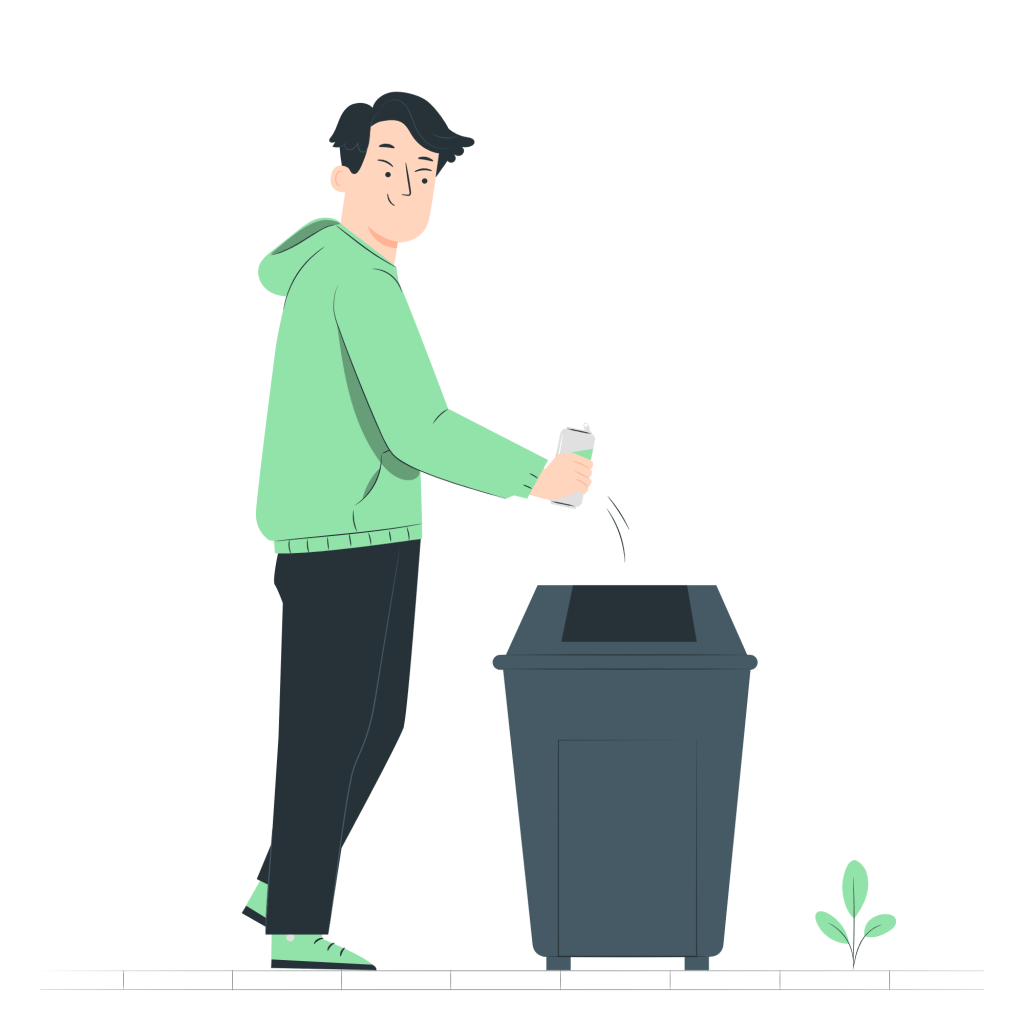
The Casual Eco-conscious
Traits
- Recycles mostly out of moral obligation
- Basic understanding of environmental issues but not deeply informed
- Prioritises convenience in their daily life and will choose the easier option over an eco-friendly one; won’t recycle an item if it’s too much trouble
- Will occasionally research when faced with uncertainty about whether an item is recyclable but generally do it when it’s convenient.
Goals
- Reduce waste and environmental impact
- Incorporate eco-friendly habits into their routine without compromising too much on convenience
Needs
- Quick easy access to relevant recycling and disposal information
- Find nearby public recycling bins and disposal facilities
What the Casual Eco-conscious needs is…
Convenience
The casual eco-conscious person is someone who has a moderate level of environmental awareness and concern. They make occasional attempts at being environmentally friendly, like recycling or reducing energy usage, but they lack a strict commitment to eco-friendly practices. Their choices often prioritise convenience over eco-friendliness. They need an effortless way to find the relevant recycling information and resources with just a touch of their fingertips. Convenience was the key theme we kept in mind when designing the solution and we believed that through this, we could improve recycling habits and education for the casual eco-conscious archetype.
Prioritising Key Features
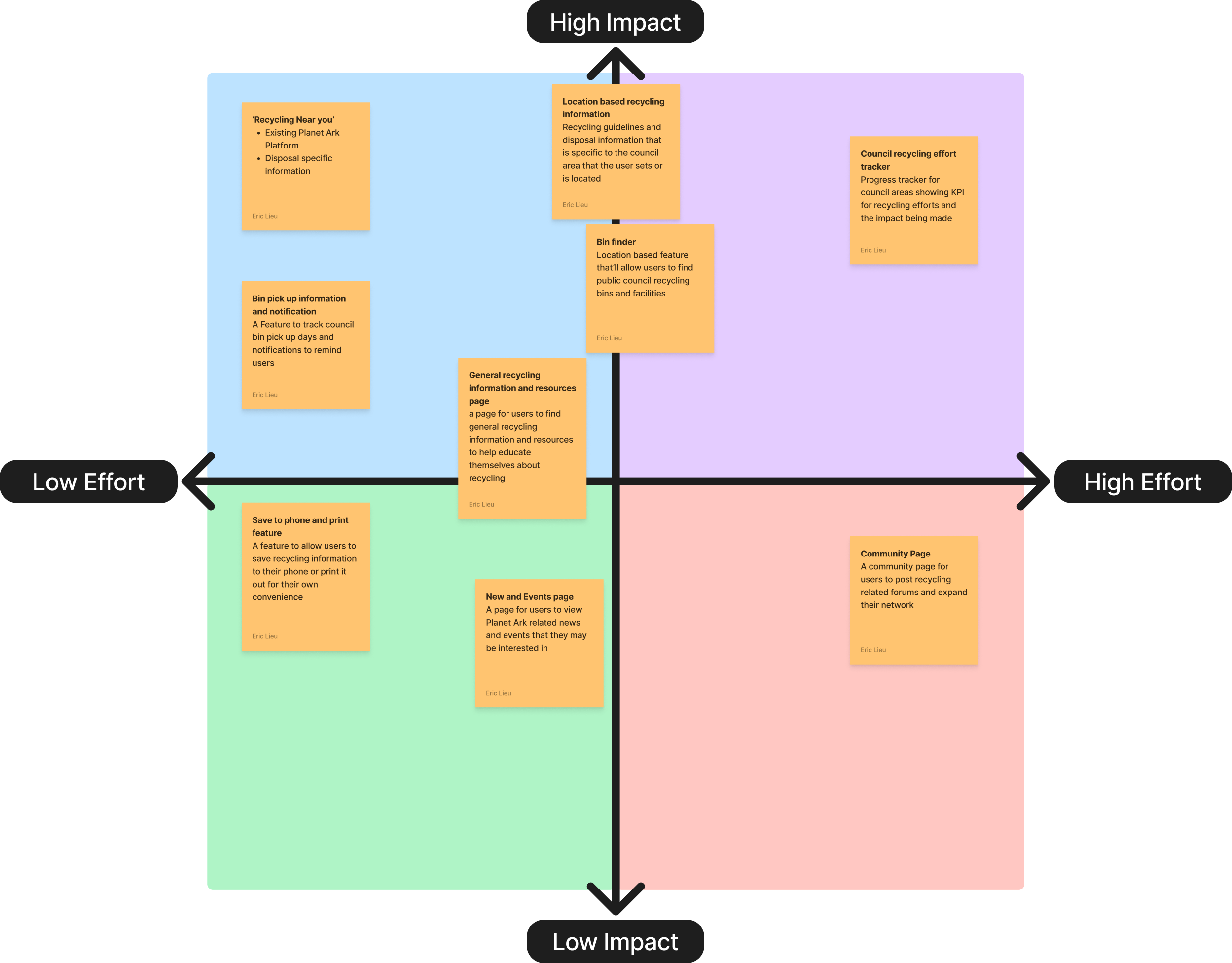
Taking into account the user needs identified through the archetype, we brainstormed various features and opportunities to incorporate into the design solution. Given the project’s two-week timeframe, we employed a feature prioritisation matrix to evaluate and prioritize the most crucial features for the development of a minimum viable product that will address the users key needs.
Sketching and Ideation
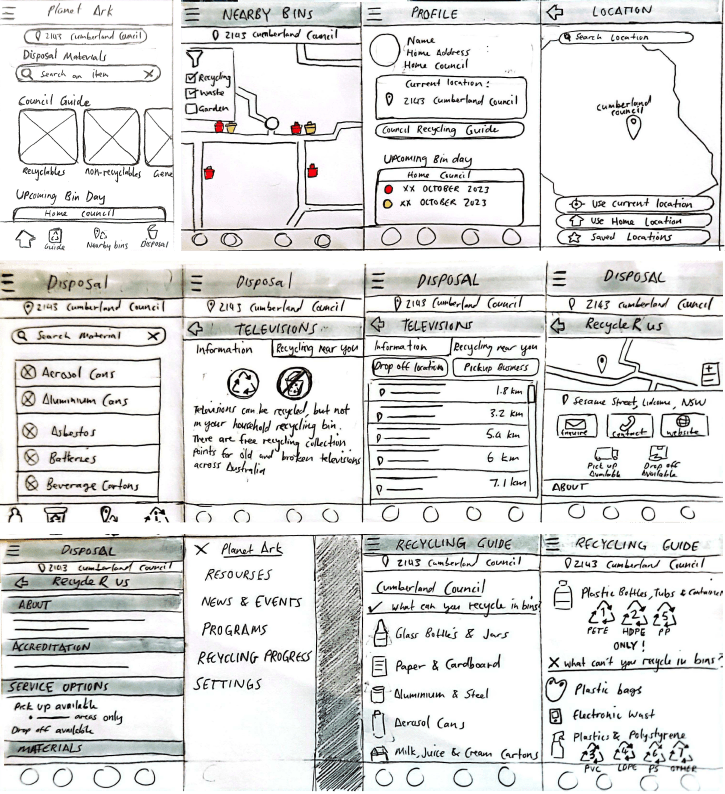
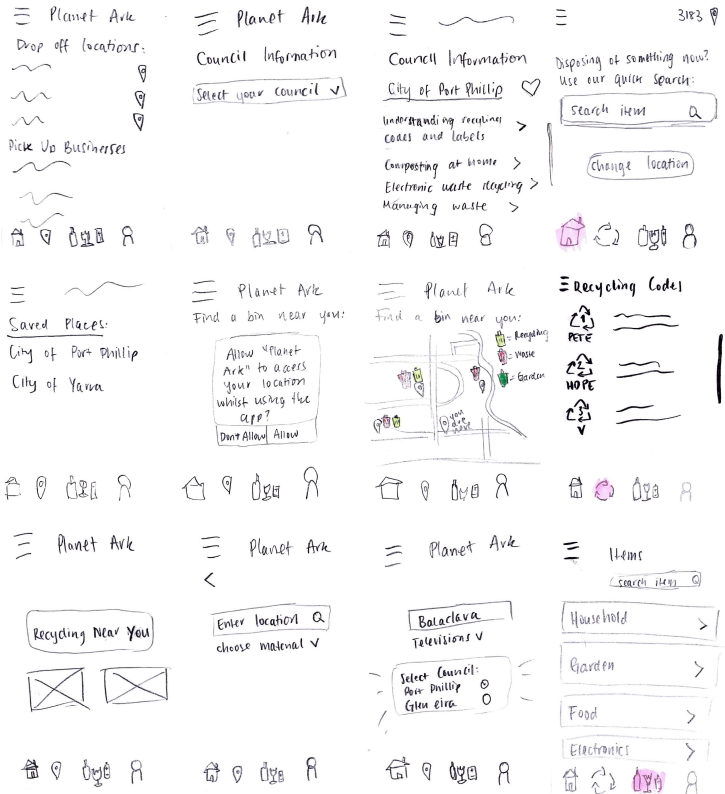
After identifying the essential features to prioritise in our design, we sketched potential solutions with user convenience as our guiding principle. We decided on building a mobile application as it was the most accessible device for users at any given time as well as it’s location tracking capabilities. The envisioned design leans heavily into the location based feature that was proposed as we believe this will allow users to find the most relevant information that they are looking for without the need to go through the effort of searching it up themselves, aligning closely with our user-centric approach.
The Planet Ark App
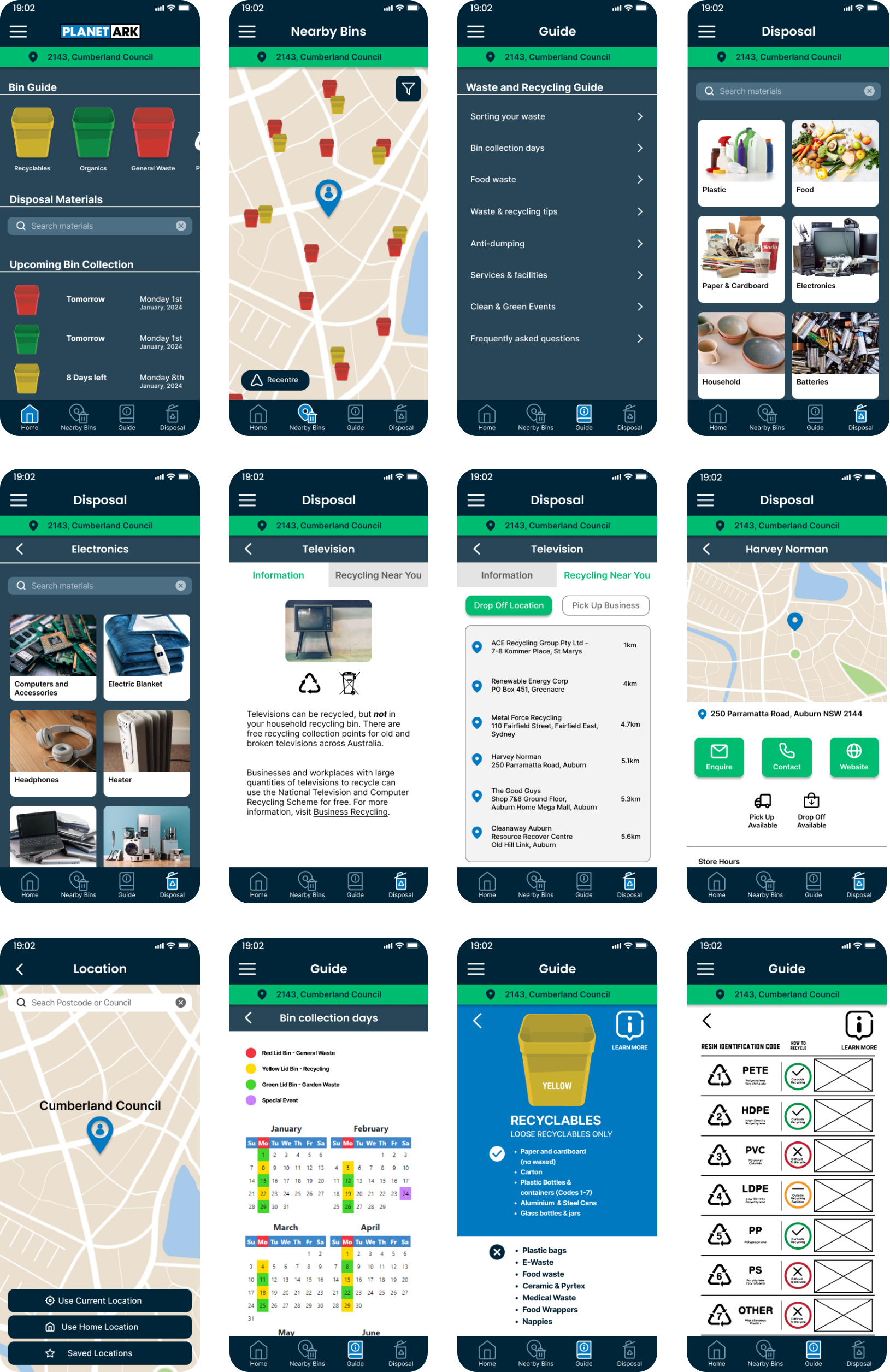
Following the ideation and sketching phase, I curated the most promising elements from the low-fidelity sketches and integrated them together in the wireframe and prototype stage. The result is the Planet Ark app.
Main Features
Dashboard
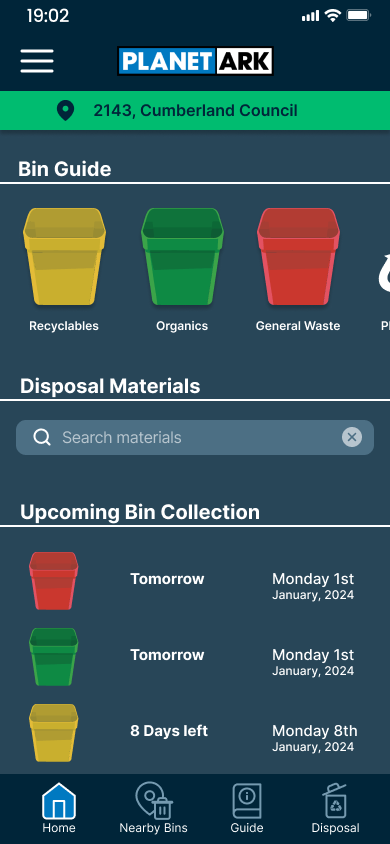
On the dashboard, you’ll find quick access to the essentials. Here you’ll see the council bin guides, the next bin collection days, and search bar to quickly find item disposal information.
Nearby Bins Finder
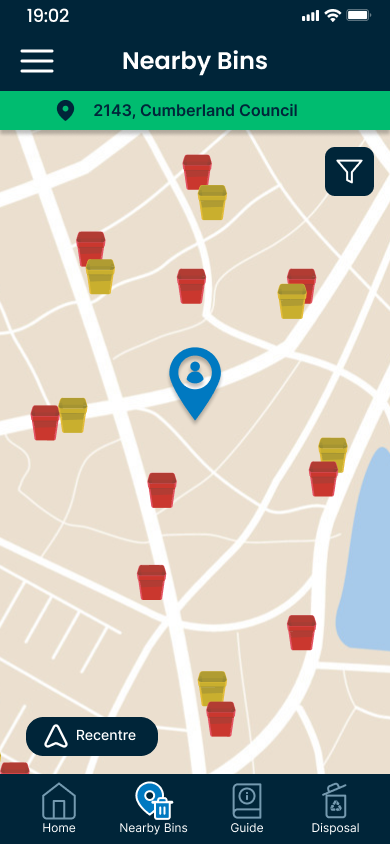
Find the nearest council public bins and recycling facilities near you. No need to look aimlessly for the right bins anymore.
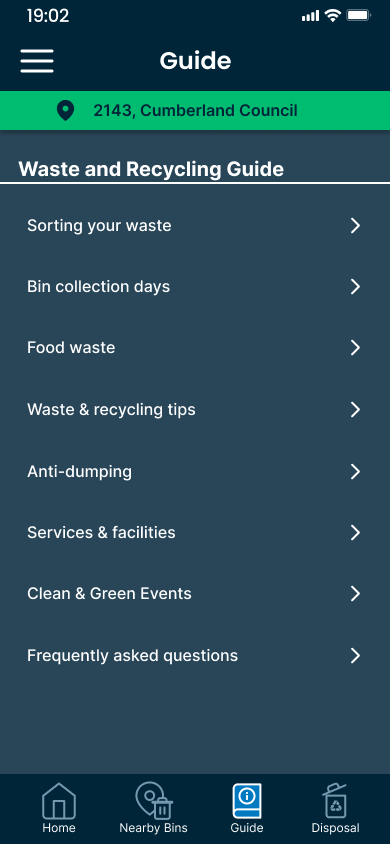
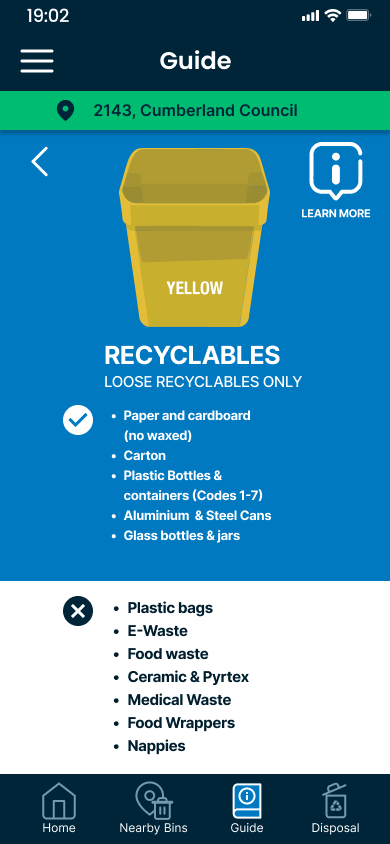
Council Recycling Guide
Quickly find the answer to any lingering questions about waste and recycling guidelines for the council area no matter where
you are.
Disposal Guide –
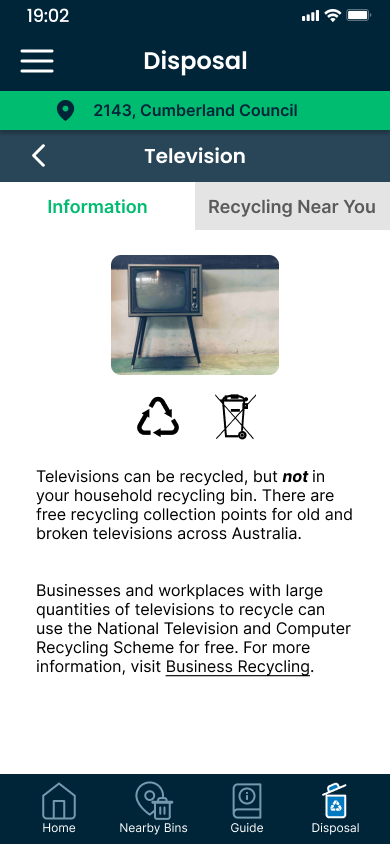
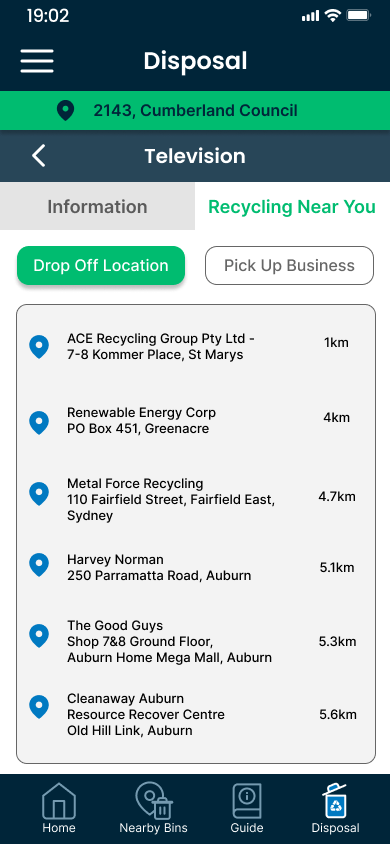
Recycling Near You
Need to get rid of an item but unsure what to do or where it goes? Planet Ark’s Recycling Near You will help you find all the answers
Planet Ark App
Prototype
What I Learnt
Team work makes the dream work
Through this project, I appreciated how much collaboration can offer when it comes to insights and ideation. Team members would contribute ideas and perspectives that I wouldn’t have even considered on my own, leading to a more developed design.
Going off script during interviews
During the interview phase of our user research, I noticed that many of the questions we posed provided opportunities to deviate from the script and our pre-prepared questions, allowing us to explore answers more deeply and follow up with impromptu questions, yielding additional insights and valuable information.
What I could have done differently
This project was a great learning experience. In retrospect, I realise the importance of factoring in various considerations when selecting the type of application to develop. Assessing the nature of a non-profit organisation such as Planet Ark, there may potentially be budgetary constraints. Taking this into consideration, it may have been more fitting to opt for a responsive web app instead of a native app as it would have been the more resource-efficient choice.
 Eric Lieu